
.png) Team Cortavo
Team Cortavo
1 min read
Unseen Costs of IT: What Small Businesses Should Know
The start of a new year is the perfect time for small businesses to set fresh goals and plan for growth. A key part of this planning? Getting your IT...
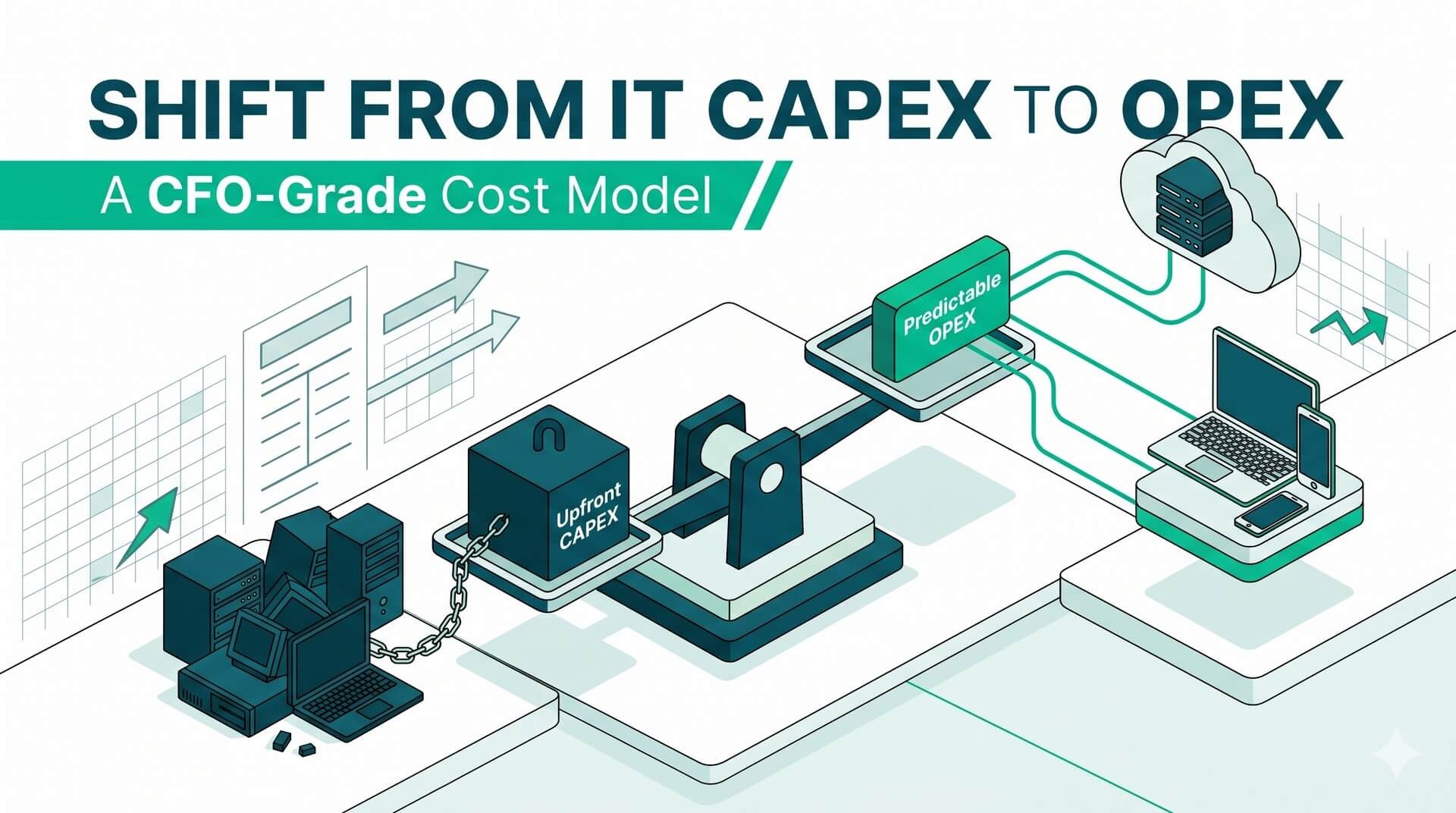
Every leader knows the frustration of forecasting when hardware refresh cycles, surprise invoices, and emergency IT purchases wreak havoc on your budget.
The strategic solution is transitioning from IT CAPEX to OPEX, converting episodic technology outlays into predictable operating expenses without blindly inflating your long-term TCO.
This framework delivers 7 practical levers to model this shift, pressure-test the downsides, and bypass vendor hype.
We begin with the first decision lens: cash flow timing and the valuation of predictability.
Evaluating an IT CAPEX to OPEX transition with conflicting goals is a common pitfall. If you mix KPIs like EBITDA optics, cash runway, and risk mitigation, your financial model will lie to you. CFOs often end up with a blended ROI that looks great on paper but fails to solve the actual business constraint. Before modeling products, force your leadership team to pick one primary objective.
Aligning on one priority keeps you from using mismatched metrics. Choose your primary objective and map it directly to its true metric lens:
Once decided, document your focus in a simple decision memo to guide your modeling:
"For the next 36 months, our primary objective is to stabilize monthly forecasting by converting our workspace infrastructure to an operating expense. Success means achieving zero unbudgeted IT variance and eliminating emergency capital outlays for hardware replacements."
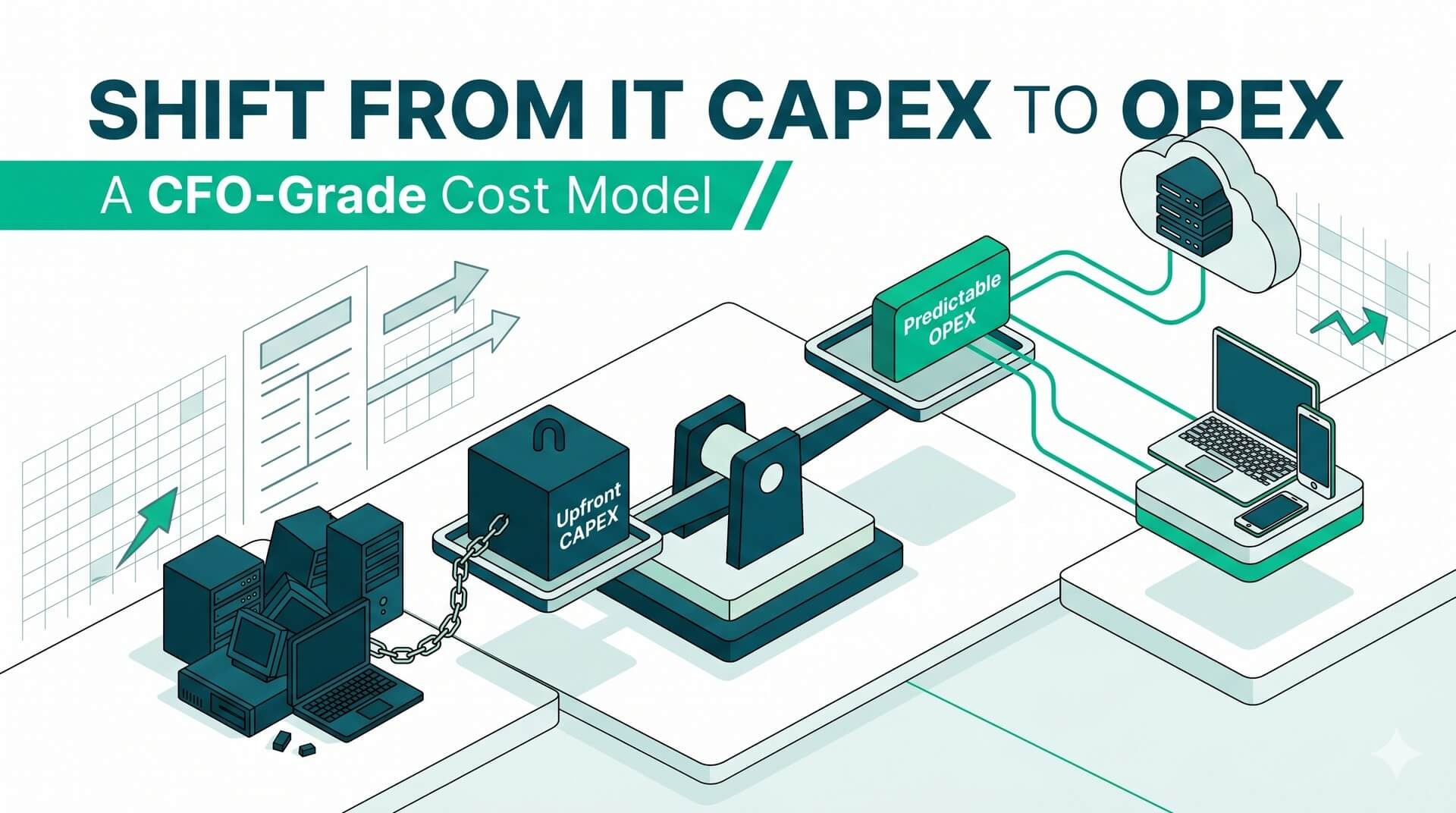
Evaluating an IT CAPEX to OPEX transition requires a defensible, auditable financial model rather than general estimates. You can find the exact breakeven point by structuring a spreadsheet around a 36-month comparative framework.
Your spreadsheet requires two tabs:
Compute three core metrics to build a defensible business case:
Stress-test your assumptions with two sensitivity scenarios:
Consolidate these findings into a one-slide summary featuring your base case, both stress cases, and clear "go/no-go" investment thresholds.
If you want help building this model with your actual device counts and contract terms, reach out to Cortavo for a custom scenario analysis.
Buying a fleet of laptops seems like a straightforward capital expense. However, traditional IT CAPEX to OPEX comparisons often overlook the hidden operational drag of managing those physical assets. Your internal team quickly becomes overwhelmed by custom setups, shipping, and tracking.
To make your model honest, you must expand your cost stack to include:
Aging endpoints introduce severe security risks that carry real financial consequences. To understand how these vulnerabilities impact your overall business exposure, read our Chicago cybersecurity solutions guide for context on protecting your distributed workforce.
You can translate this friction into concrete numbers by tracking your monthly ticket frequency per endpoint. Multiply these wasted hours by a conservative hourly rate for both the idle employee and the IT administrator troubleshooting the issue. This exposure often makes CAPEX look artificially cheaper on paper.
This is where Hardware-as-a-Service (HaaS) models prove their economic value. Even if the subscription sticker price looks higher, the built-in risk transfer and automated lifecycle management eliminate budget variance and reduce user downtime. Transitioning your IT CAPEX to OPEX ensures a highly predictable cost structure.
Many providers avoid discussing the accounting implications of shifting from IT CAPEX to OPEX. However, navigating these details is crucial to prevent a great technology decision from becoming a compliance surprise during financial reviews.
The fundamental difference comes down to timing:
To map this transition accurately, verify two key variables with your CPA:
For a clean forecasting workflow, model your pre-tax cash flows first, then layer on your tax adjustments. Do not bury complex tax logic inside your core operational model. Instead, document your accounting assumptions in a brief, auditor-ready memo.
Finally, prepare for presentation shifts. Moving expenses from depreciation to operating costs will reduce your reported EBITDA, even if your net cash position improves.
Disclaimer: Always verify current-year tax rules and deduction limits with your CPA or tax counsel before finalizing your IT transition.
When transitioning from IT CAPEX to OPEX, shifting your infrastructure can actually cost you more over a five-year cycle than buying hardware outright. If a provider charges too high of a premium for operational flexibility, your long-run TCO will outpace standard capital purchasing. This transition also introduces vendor dependency, handing over control of your support quality, hardware lifecycle, and future pricing.
To keep your comparison honest, you must extract and model these non-negotiable contract terms:
Next, build two worst-case scenarios into your financial model to protect your budget from unexpected spikes. First, calculate a mid-term exit at month 18 and quantify the exact penalty. Second, apply a 10% renewal uplift starting in month 37 to see if the subscription remains cost-effective over time.
Before signing any agreement, compare local providers and their fee structures. You can use this managed IT services provider Chicago directory as a neutral evaluation resource to benchmark your options, review local pricing, and spot hidden contract risks.
Unannounced software renewals and emergency hardware purchases frequently wreck monthly budgets. Shifting your IT CAPEX to OPEX only works if your recurring operational expenses remain predictable. To make predictability real, you must change your forecasting mechanics by mapping IT costs directly to business drivers.
First, set up a driver model based on metrics finance already tracks:
Map each driver to a flat monthly unit rate. This unit rate must bundle the software subscription, help desk support, security tools, and the underlying hardware lifecycle into a single, predictable cost.
Next, prevent surprise spikes with a unified renewal and refresh calendar. Track milestones for:
Finally, establish a light governance rhythm. Run a monthly variance review to trace any spending changes back to driver fluctuations. Pair this with a quarterly re-forecast to account for hiring plan shifts, new locations, or project spikes. This turns predictable IT spend into a repeatable finance process instead of a one-time purchasing decision.
If you want a predictable spend plan mapped directly to your headcount and devices, whether managed or co-managed, visit our Contact Us page to build your blueprint.
When shifting from IT CAPEX to OPEX, mismatching your delivery model with organizational maturity causes duplicated spend. Buying an OPEX contract while operating like CAPEX leaves internal staff drowning in routine tickets while paying external vendors for the same coverage. To accelerate deployment speed and reduce risk, you must align your support structure with actual operational capacity.
Hardware-as-a-Service (HaaS) fits best in rapidly scaling, multi-location companies with standardized endpoint fleets and heavy onboarding requirements. This model converts volatile procurement outlays into predictable monthly operating expenses. Many mature organizations adopt an "all-inclusive" flat-fee positioning to simplify budgeting and guarantee rapid, zero-latency hardware deployment.
To prevent finger-pointing and establish absolute role clarity, resolve this operational checklist before signing any contract:
IT spending should not feel like a guessing game. At Cortavo, we help businesses replace unpredictable technology costs with a clearer, more manageable IT model. Our all-inclusive support brings hardware, help desk, cybersecurity, lifecycle management, backups, and day-to-day IT operations into one predictable monthly plan. That means fewer surprise invoices, fewer emergency hardware purchases, and less budget confusion when your team grows, adds locations, or needs stronger security. We work with leaders who want practical cost control without sacrificing performance, helping them understand where IT expenses are going and how to plan around real business drivers like users, devices, and locations. Whether you are evaluating fully managed IT, co-managed support, or a Hardware-as-a-Service approach, we can help you build a smarter path forward. To create a more predictable IT budget, contact us through our contact page.
No. OPEX models often include a premium for operational flexibility and bundled services. To find the true cost, you must compare the Net Present Value (NPV) and total cost of ownership (TCO) of both setups, factoring in administrative labor and downtime risk.
Not necessarily. While operating expenses are typically deducted in the current period, capital purchases can sometimes achieve similar year-one tax benefits through Section 179 or bonus depreciation. Additionally, the classification of your agreement as an operating or finance lease changes how it affects your balance sheet. You must confirm the exact depreciation and deduction treatment with your CPA before finalizing your decision.
No, it can do the opposite. Because operating expenses directly reduce operating profits in the current period, shifting IT to OPEX can lower your reported EBITDA. Capitalizing assets keeps these costs off your operating line, though it increases your asset base and future depreciation. You should align your model with the specific KPIs that your board or investors prioritize.
Focus on the fine print. Insist on clear hardware refresh schedules, binding service level agreements (SLAs), renewal price caps, and defined exit buyouts. Ensure the provider delivers audit-ready asset reporting.
Audit your current state first. Document all users, endpoints, and software licenses, then map out your current monthly spend. Use this baseline to build a 36-month cash flow model and a master renewal calendar.
-2.png)
1 min read
The start of a new year is the perfect time for small businesses to set fresh goals and plan for growth. A key part of this planning? Getting your IT...
1 min read
.png?width=30&name=MKT%20Email%20Marketing%20300x300px%20(18).png) Team Cortavo : Jul 1, 2026, 3:07:17 PM
Team Cortavo : Jul 1, 2026, 3:07:17 PM
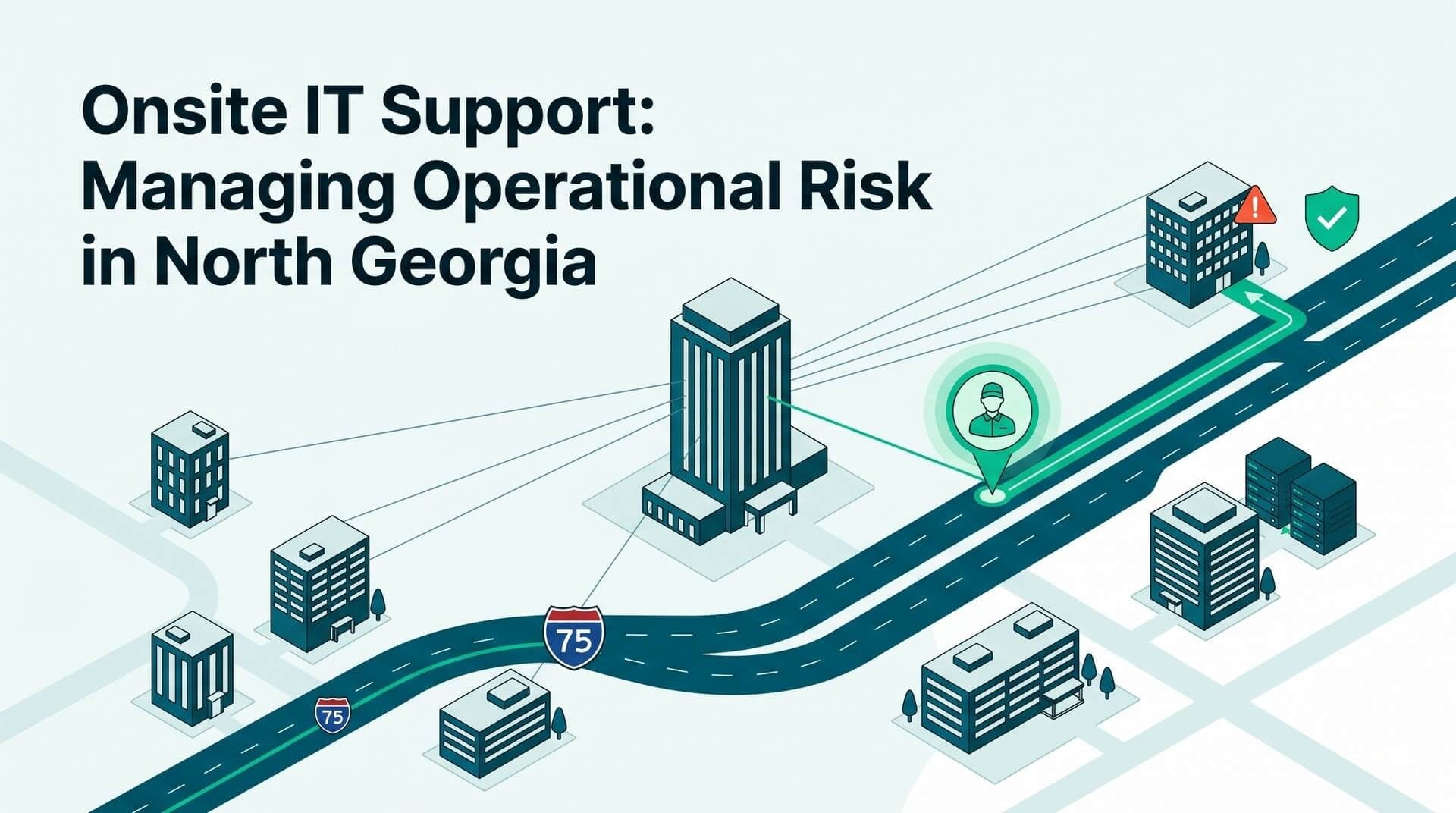
Remote-only IT works until physical hardware fails, and your team sits idle. Vague promises only increase downtime and leadership anxiety when a...
1 min read
Team Cortavo : Jul 22, 2026, 12:26:22 PM
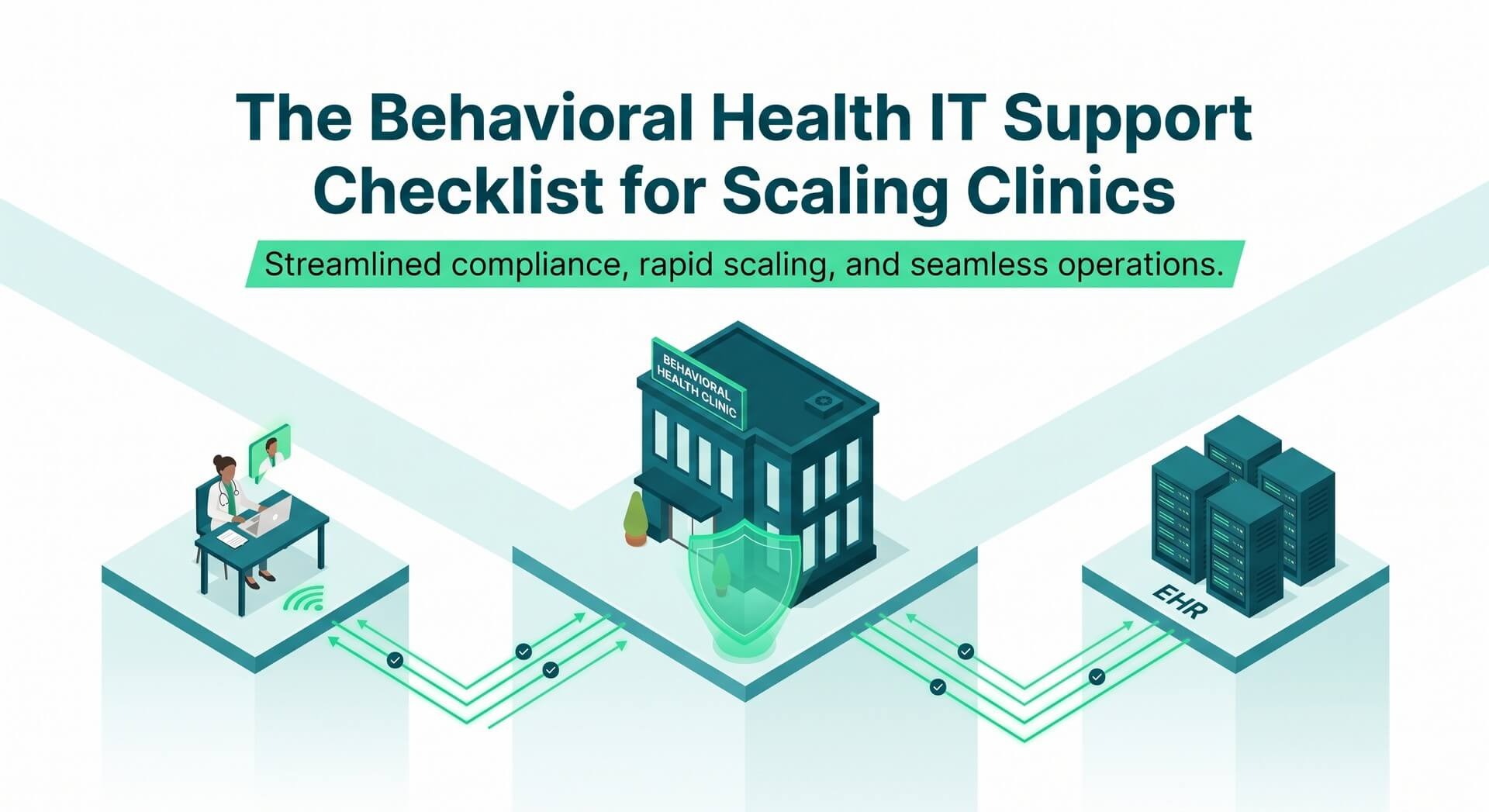
When fragile counseling workflows like telehealth, intake, and EHR billing fail, small IT issues quickly trigger massive clinical and compliance...